Span Smart Electrical Panels vs 200-Amp Heavy-Up Service Upgrades
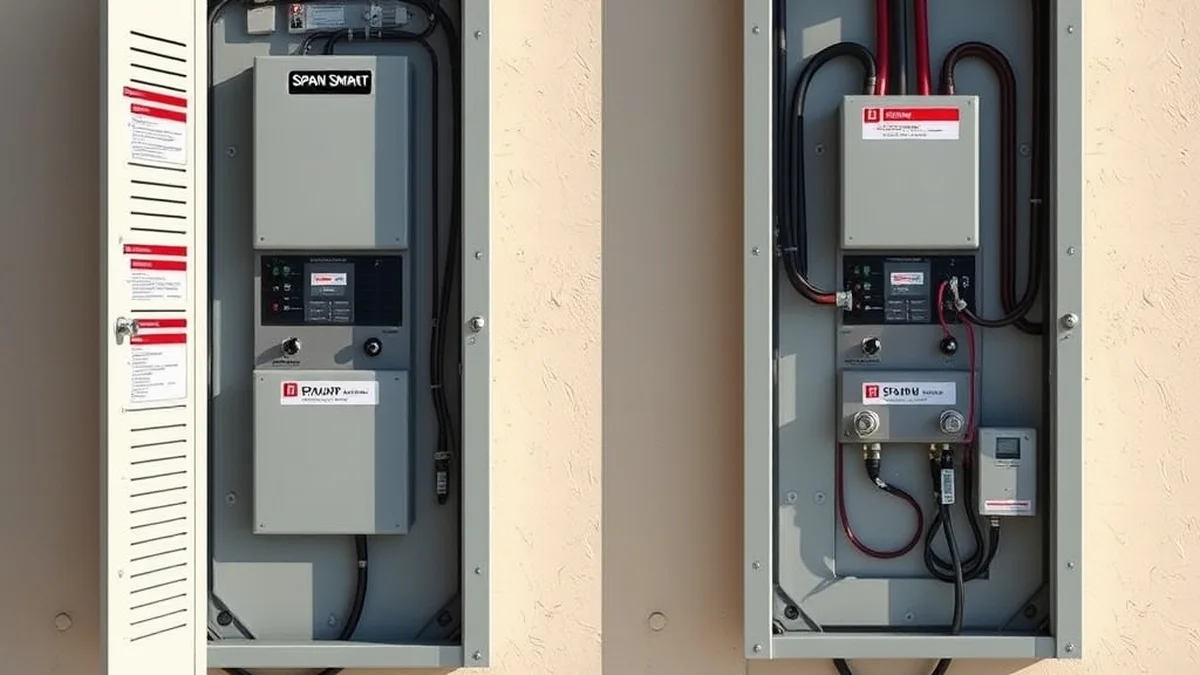
When considering home energy upgrades, homeowners face a critical choice between installing a smart electrical panel or upgrading to a heavy-up 200-amp service. Smart panels offer enhanced energy management and potential savings, while heavy-up services provide increased capacity for high-demand appliances. Evaluating upfront costs, lifetime payback, and available incentives is essential for making an informed decision.
Cost Analysis: Smart Panels vs. Heavy-Up Services
The initial investment for a smart electrical panel typically ranges from $1,500 to $3,000, including installation. This cost can vary based on the complexity of the existing electrical system and the specific features of the panel. Smart panels allow for real-time monitoring and management of energy consumption, which can lead to significant savings on utility bills over time. In contrast, a heavy-up 200-amp service upgrade generally costs between $2,500 and $5,000, depending on local labor rates and the extent of electrical work required.
While the upfront costs of heavy-up services are higher, they provide the necessary capacity for modern homes with multiple high-demand appliances, such as electric vehicles and HVAC systems. Homeowners should consider the long-term benefits of each option. Smart panels can yield a return on investment (ROI) through energy savings, while heavy-up services may be essential for homes undergoing significant renovations or expansions. A detailed cost comparison table can help clarify these differences:
| Feature | Smart Electrical Panel | Heavy-Up 200-Amp Service |
|---|---|---|
| Initial Cost | $1,500 – $3,000 | $2,500 – $5,000 |
| Energy Management | Real-time monitoring | N/A |
| Capacity Increase | Limited | Significant |
| Potential Savings | Up to 20% on bills | N/A |
Compatibility with Climate and Grid Conditions
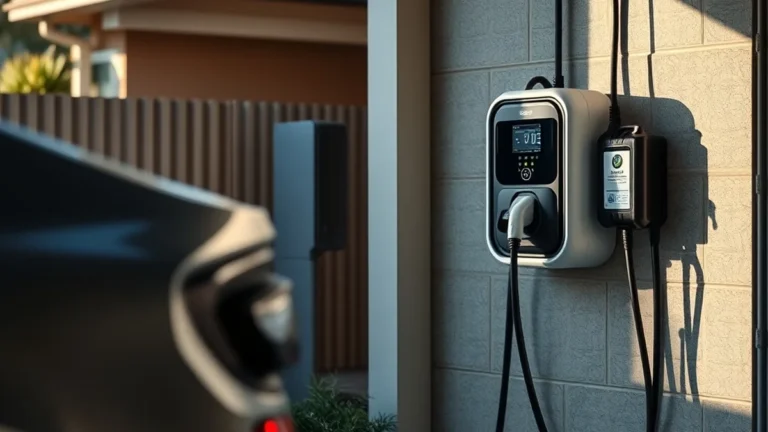
Smart electrical panels are designed to optimize energy usage based on real-time data, making them particularly beneficial in regions with variable energy costs or renewable energy sources. These panels can integrate with solar power systems, battery storage, and electric vehicle chargers, allowing homeowners to maximize their energy efficiency and reduce reliance on the grid. For example, in states with high solar adoption, smart panels can help homeowners take advantage of net metering programs, further enhancing their ROI.
On the other hand, a heavy-up 200-amp service upgrade is crucial for homes in areas with high energy demands, such as those using electric heating or cooling systems. This upgrade ensures that the electrical system can handle the load without risking outages or damage. Homeowners in regions prone to extreme weather may find that a heavy-up service provides the necessary capacity to support backup generators or additional heating systems during power outages. Therefore, assessing local climate conditions and grid reliability is essential when choosing between these two options.
Incentives and Tax Benefits for Upgrades
Both smart electrical panels and heavy-up service upgrades may qualify for various federal and state incentives aimed at promoting energy efficiency. The federal government offers tax credits for energy-efficient home improvements, which can significantly offset the initial costs of a smart panel installation. For instance, the Energy Efficiency Home Improvement Credit allows homeowners to claim up to 30% of the cost of qualified energy-efficient upgrades, including smart panels.
In contrast, heavy-up service upgrades may not directly qualify for the same incentives, but they can be part of a broader energy efficiency strategy that includes other upgrades, such as insulation or energy-efficient appliances. Homeowners should research local utility programs, as many offer rebates for electrical upgrades that enhance energy efficiency. Engaging with a tax professional can also help identify additional savings opportunities related to these upgrades, ensuring that homeowners maximize their financial benefits.
Installer Qualifications and Audit Questions
Choosing the right installer is critical for both smart electrical panels and heavy-up service upgrades. Homeowners should seek licensed electricians with experience in smart technology and residential electrical systems. When interviewing potential installers, consider asking the following questions:
- What certifications do you hold related to smart electrical systems?
- Can you provide references from previous installations of smart panels or heavy-up services?
- What is your process for ensuring compliance with local building codes and regulations?
- How do you handle potential issues during installation, such as outdated wiring or circuit overloads?
Additionally, homeowners should request a detailed quote that outlines all costs associated with the installation, including any necessary upgrades to existing wiring or circuit breakers. This transparency helps avoid unexpected expenses and ensures that the chosen solution meets the household’s energy needs.
Related Sterling Lab Briefings: Explore deeper benchmarks in Backdoor Roth IRA: Pro-Rata Rule Calculations Simplified for 2023 and Open-Source DNS Sinkholes vs Hardware Firewall Appliances for Home Network.
Long-Term Performance and Maintenance Considerations
Both smart electrical panels and heavy-up service upgrades require different levels of maintenance and monitoring. Smart panels often come with software that allows homeowners to track energy usage and receive alerts about potential issues, which can lead to proactive maintenance and reduced long-term costs. Regular software updates and occasional hardware checks may be necessary to ensure optimal performance.
In contrast, heavy-up service upgrades typically require less ongoing maintenance, but homeowners should still be vigilant about monitoring their electrical systems for signs of wear or overload. Regular inspections by a qualified electrician can help identify potential problems before they escalate, ensuring the safety and reliability of the home’s electrical infrastructure. Ultimately, the choice between a smart panel and a heavy-up service should align with the homeowner’s long-term energy goals and lifestyle needs.
Pairing lifecycle cost math with federal efficiency incentives unlocks measurable long-term household savings.