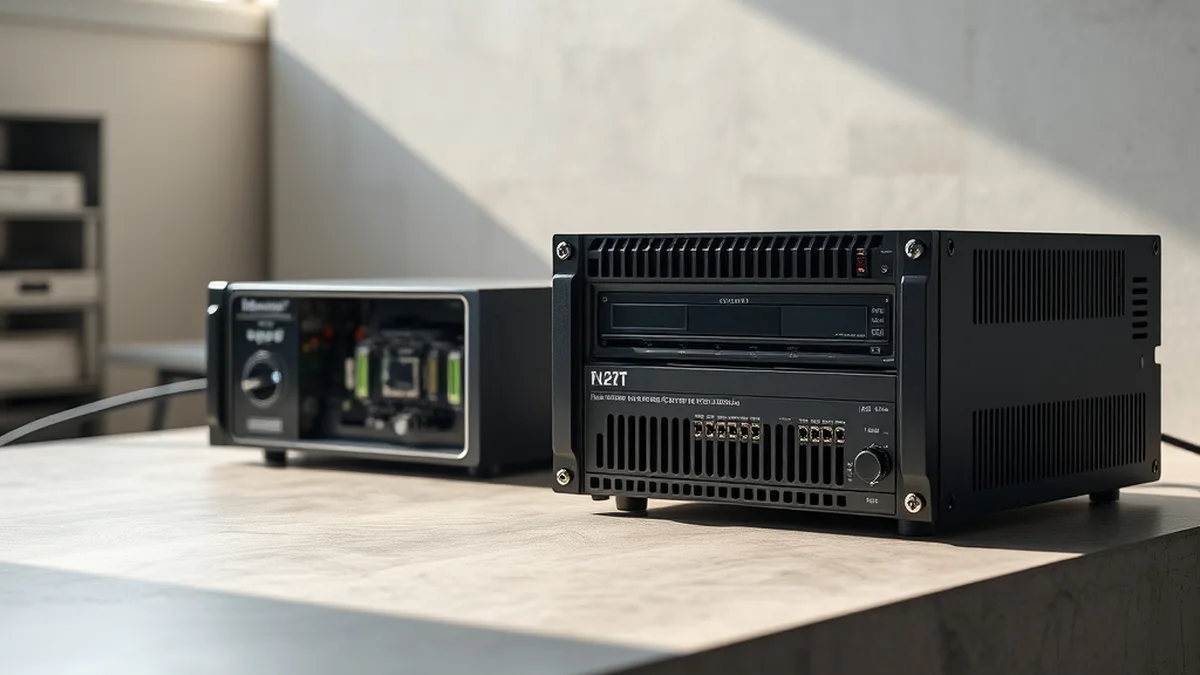
Open-Source DNS Sinkholes vs Hardware Firewall Appliances for Home Network
Open-source DNS sinkholes and hardware firewall appliances serve distinct roles in enhancing home network privacy. While sinkholes provide customizable domain filtering and threat mitigation at a low cost, hardware firewalls offer robust, all-in-one solutions with superior performance. The choice hinges on user expertise, budget, and specific privacy needs.
Understanding the Architecture: DNS Sinkholes vs. Hardware Firewalls
At the core of network privacy solutions are DNS sinkholes and hardware firewalls, each with unique architectures. DNS sinkholes operate by redirecting malicious domain requests to a controlled IP address, effectively blocking access to harmful sites. This approach leverages the Domain Name System (DNS) to filter traffic based on domain names rather than IP addresses, allowing users to customize their filtering rules. Open-source projects like Pi-hole exemplify this model, enabling users to create tailored blocklists and monitor DNS queries in real time.
In contrast, hardware firewall appliances function as dedicated devices that monitor and control incoming and outgoing network traffic based on predetermined security rules. These appliances often include features like intrusion detection systems (IDS), virtual private network (VPN) support, and advanced threat intelligence. Popular models from manufacturers like Ubiquiti and Netgear integrate seamlessly into home networks, providing a comprehensive security solution that requires minimal user intervention. The architecture of these devices typically includes a combination of hardware (for processing) and software (for management), ensuring high performance and reliability.
Real-World Latency and Privacy Trade-Offs
When evaluating the effectiveness of DNS sinkholes and hardware firewalls, latency and privacy trade-offs are crucial considerations. DNS sinkholes can introduce minimal latency, as they primarily operate at the DNS resolution level. For instance, a well-configured Pi-hole can resolve DNS queries in milliseconds, often faster than traditional ISP DNS servers. However, the effectiveness of a sinkhole depends on the user’s ability to manage and update blocklists regularly, which can be a barrier for less tech-savvy individuals.
On the other hand, hardware firewalls may introduce slightly higher latency due to the additional processing required to inspect packets and enforce security policies. For example, a firewall appliance might add 1-5 milliseconds of latency depending on its configuration and the complexity of the rules applied. However, this trade-off is often justified by the comprehensive protection and monitoring capabilities these devices provide. Users can benefit from features like real-time alerts and detailed traffic analysis, which are not typically available with DNS sinkholes.
Economics of Hardware vs. Cloud Solutions
The economic implications of deploying DNS sinkholes versus hardware firewalls are significant. Open-source DNS sinkholes like Pi-hole are cost-effective solutions, requiring only a Raspberry Pi or similar low-cost hardware. The ongoing costs are minimal, primarily involving electricity and occasional hardware upgrades. Users can also benefit from community support and shared blocklists, reducing the need for extensive technical knowledge.
In contrast, hardware firewalls often come with a higher upfront cost, ranging from $100 to over $1,000 depending on the features and performance capabilities. Additionally, some models may require subscription fees for advanced threat intelligence updates or cloud management features. However, the investment in a hardware firewall can yield substantial long-term savings by preventing data breaches and mitigating the costs associated with cyber threats. For example, a single data breach can cost businesses an average of $3.86 million, highlighting the potential return on investment for robust network security.
| Feature | DNS Sinkholes | Hardware Firewalls |
|---|---|---|
| Cost | Low (e.g., Raspberry Pi) | Moderate to High |
| Latency | Minimal | Low to Moderate |
| Ease of Use | Requires Configuration | User-Friendly |
| Security Features | Domain Filtering | Comprehensive Threat Protection |
| Maintenance | Community Support | Vendor Support |
Related Sterling Lab Briefings: Explore deeper benchmarks in Local Open-Weight LLM Inference on Consumer GPUs vs Cloud API Privacy and Matter 1.3 Smart Home Thread Border Routers: No Vendor Cloud Lock-In.
Deployment Checklist for Home Network Privacy Solutions
Choosing between a DNS sinkhole and a hardware firewall requires careful consideration of specific deployment needs. Here’s a checklist to guide consumers in making an informed decision:
- Assess Your Technical Skills: Determine your comfort level with network configurations. If you prefer a plug-and-play solution, a hardware firewall may be more suitable.
- Evaluate Your Privacy Needs: Consider the level of protection required. For basic filtering, a DNS sinkhole may suffice, while advanced users may need the comprehensive features of a hardware firewall.
- Budget Considerations: Analyze your budget for initial setup and ongoing costs. Open-source solutions are cheaper but may require more time for maintenance.
- Future Scalability: Think about your network’s growth. Hardware firewalls often provide better scalability options for expanding networks.
- Research Options: Investigate different models and community feedback for DNS sinkholes and hardware firewalls to find the best fit for your needs.
Ultimately, the choice between open-source DNS sinkholes and hardware firewall appliances depends on individual circumstances, including technical expertise, budget constraints, and specific privacy requirements. Each solution offers distinct advantages and limitations, making it essential for consumers to assess their unique needs before making a decision.
Prioritizing local control, open security standards, and repairable hardware keeps consumer tech working for you.