Dashcam Hardwire Parking Mode Drain Thresholds vs LiFePO4 Battery Packs
When considering the installation of dashcams with hardwire parking mode versus dedicated LiFePO4 battery packs, the decision hinges on upfront costs, lifetime payback, and performance constraints. While hardwired systems can drain your vehicle’s battery over time, dedicated battery packs provide a reliable power source without the risk of depleting your car’s main battery, making them a more sustainable choice for long-term use.
Understanding Dashcam Hardwire Parking Mode Economics
Dashcam hardwire parking mode installations typically involve connecting the camera directly to the vehicle’s electrical system. This setup allows the dashcam to operate continuously while the vehicle is parked, capturing incidents even when the ignition is off. However, the economics of this choice can be complex. The initial installation cost for hardwiring can range from $100 to $300, depending on the vehicle and the complexity of the wiring involved. Additionally, the potential for battery drain must be considered, as some vehicles may experience issues if the dashcam draws power for extended periods.
Battery drain thresholds vary by vehicle make and model, but many manufacturers recommend a minimum voltage level (often around 12.4V) to avoid battery depletion. If the dashcam is continuously powered, it can lead to a dead battery within a few days, especially in colder climates where battery efficiency decreases. Therefore, the total cost of ownership must include potential battery replacements, which can range from $100 to $200 every few years, depending on usage and climate conditions.
Dedicated LiFePO4 Battery Packs: A Sustainable Alternative
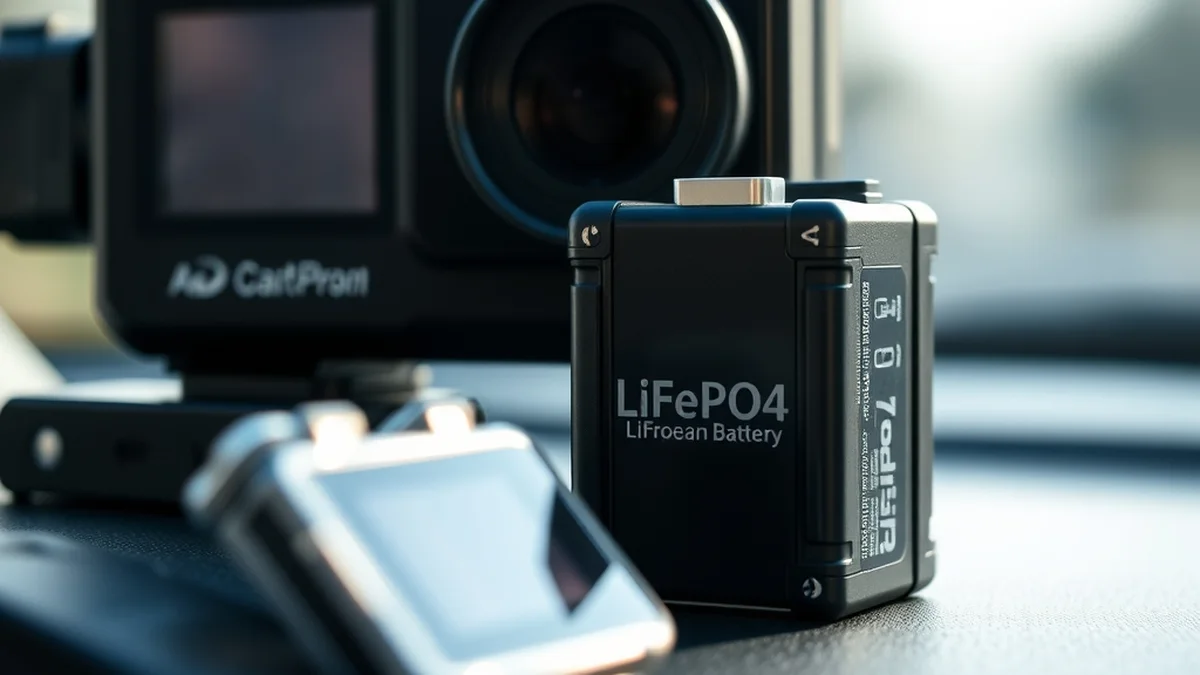
Dedicated LiFePO4 (Lithium Iron Phosphate) battery packs offer a compelling alternative to hardwired dashcams. These batteries are designed specifically for powering devices like dashcams without impacting the vehicle’s main battery. The initial investment for a dedicated battery pack can range from $150 to $400, depending on the capacity and brand. However, these packs typically have a longer lifespan, often exceeding 2,000 charge cycles, which translates to several years of reliable service.
One of the key advantages of LiFePO4 batteries is their ability to maintain a stable voltage output, ensuring that the dashcam operates optimally without risking battery drain. For instance, a 12V LiFePO4 battery with a capacity of 20Ah can power a typical dashcam for over 30 hours of continuous recording. This means that users can park their vehicles for extended periods without worrying about battery depletion. Additionally, many LiFePO4 packs come with built-in battery management systems (BMS) that prevent overcharging and overheating, enhancing safety and longevity.
Climate and Grid Compatibility: Assessing Your Environment
When evaluating the compatibility of dashcam power solutions, it’s essential to consider your local climate and the electrical grid’s reliability. Hardwired systems may be more susceptible to issues in extreme temperatures, where vehicle batteries can lose efficiency. For example, in colder climates, a hardwired dashcam may drain the vehicle’s battery more quickly, leading to potential failures when starting the vehicle. In contrast, dedicated LiFePO4 packs are designed to perform well in a wide range of temperatures, making them suitable for diverse environments.
Moreover, if you live in an area with frequent power outages or unstable grid conditions, a dedicated battery pack can serve as a reliable power source. This is particularly beneficial for users who rely on their dashcams for security and incident recording. By ensuring that the dashcam remains operational regardless of external conditions, dedicated battery packs provide peace of mind that hardwired systems may not offer.
Insurance and Tax Incentives: Maximizing Your Investment
Investing in dashcam technology can also open the door to various insurance discounts and tax incentives. Many insurance companies offer premium reductions for vehicles equipped with dashcams, as they can provide crucial evidence in the event of an accident. Depending on your insurer, you might see discounts ranging from 5% to 15% on your policy. This can significantly offset the initial costs of either hardwired systems or dedicated battery packs.
Additionally, some states and local governments provide tax incentives for installing safety equipment in vehicles, including dashcams. These incentives can vary widely, so it’s important to research local regulations. For instance, certain regions may offer rebates or tax credits for energy-efficient upgrades, which could apply to dedicated battery systems. By leveraging these financial incentives, the total cost of ownership can be substantially reduced, making advanced dashcam solutions more accessible.
Related Sterling Lab Briefings: Explore deeper benchmarks in Maximize Savings with Smart 240V EV Charger Scheduling for Utility Rates and Whole-Home Surge Protection Devices: Type 1 vs Type 2 for EV & HVAC.
Installer Audit Questions: Ensuring Quality and Safety
Choosing the right installer for your dashcam system is crucial to ensure safety and performance. When considering hardwire installations, ask potential installers about their experience with your specific vehicle make and model. Questions such as, “What is your process for ensuring that the dashcam does not interfere with the vehicle’s electrical system?” can help gauge their expertise. Additionally, inquire about the warranty on the installation work and the components used, as this can impact long-term reliability.
For dedicated LiFePO4 battery packs, it’s essential to verify that the installer understands the specific requirements for integrating the battery with your dashcam. Questions like, “How do you ensure the battery management system is properly configured?” are vital. Furthermore, ensure that the installer provides documentation on the battery’s specifications and safety features, as this information will be crucial for future maintenance and troubleshooting.
| Feature | Hardwired Dashcam | Dedicated LiFePO4 Pack |
|---|---|---|
| Initial Cost | $100 – $300 | $150 – $400 |
| Battery Drain Risk | High | None |
| Average Lifespan | Dependent on vehicle battery | 2,000+ cycles |
| Temperature Sensitivity | High | Moderate |
| Insurance Discounts | 5% – 15% | 5% – 15% |
Pairing lifecycle cost math with federal efficiency incentives unlocks measurable long-term household savings.