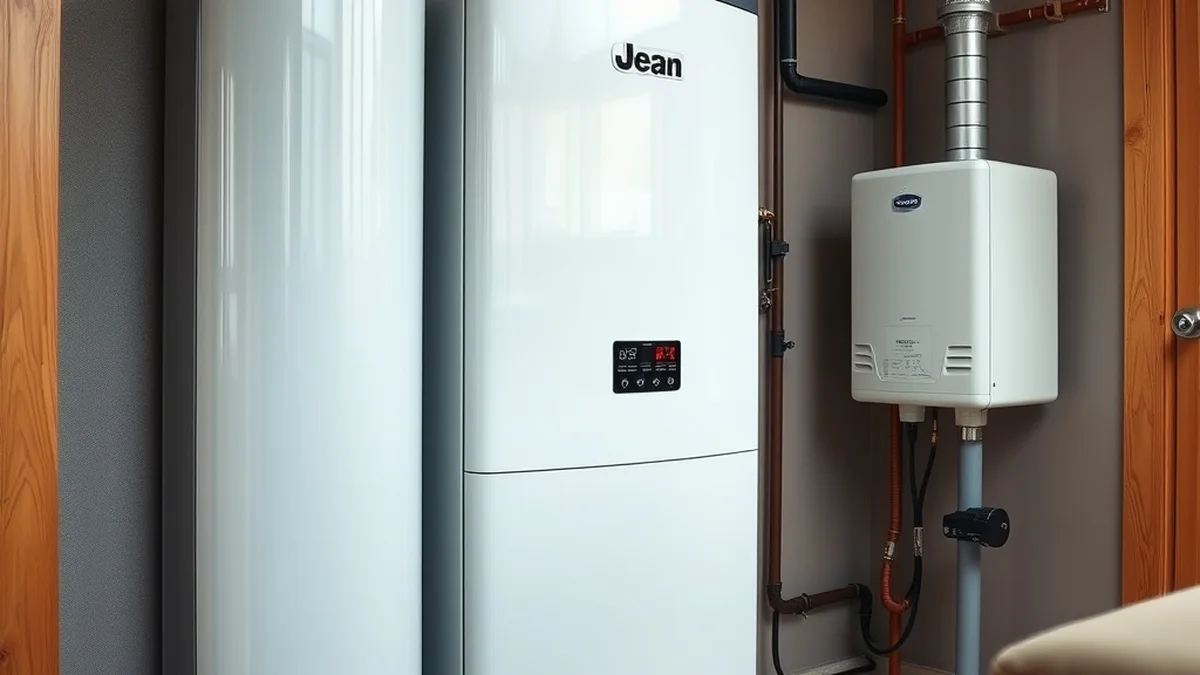
Heat Pump Water Heaters vs Tankless Gas Units: Utility Bill Savings Revealed
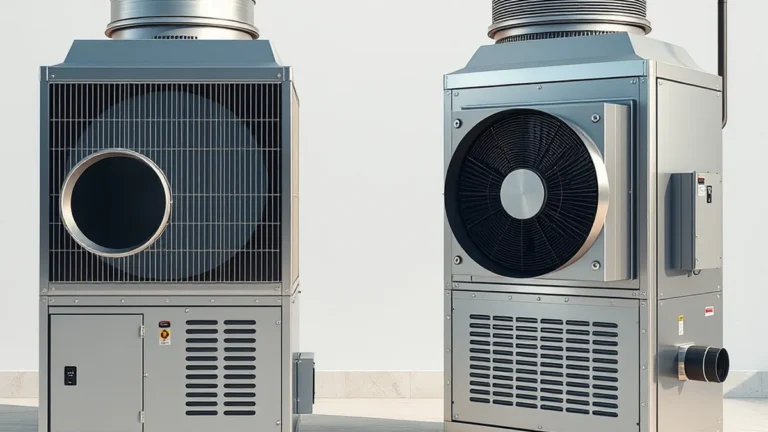
When comparing heat pump water heaters (HPWH) and tankless gas units, upfront costs and lifetime savings vary significantly. HPWHs generally have higher initial expenses but lower operational costs and are eligible for various rebates. In contrast, tankless gas units offer immediate hot water but can incur higher utility bills over time, depending on energy prices and usage patterns.
Cost Analysis: Upfront Investment vs. Long-Term Savings
The initial purchase price of heat pump water heaters typically ranges from $1,000 to $3,000, including installation. This upfront cost can be offset by various federal and state rebates, which can reduce expenses by up to 30%. In contrast, tankless gas units generally cost between $1,500 and $2,500, with installation fees ranging from $500 to $1,500. While the initial investment for tankless systems can be lower, their operational costs can accumulate over time, especially in regions with high gas prices.
To illustrate the total cost of ownership, consider the following table that compares the two systems over a 10-year period, factoring in installation, energy costs, and maintenance:
| System Type | Initial Cost | Annual Energy Cost | Maintenance Cost (10 years) | Total Cost (10 years) |
|---|---|---|---|---|
| Heat Pump Water Heater | $2,000 | $300 | $500 | $5,500 |
| Tankless Gas Unit | $2,000 | $600 | $800 | $8,000 |
As seen in the table, while both systems may have similar initial costs, the heat pump water heater offers significant savings in energy costs over the years, leading to a lower total cost of ownership.
Energy Efficiency and Performance Constraints
Heat pump water heaters operate on electricity and utilize ambient air to heat water, making them highly efficient, often achieving an Energy Factor (EF) of 2.0 or higher. This means they can produce two units of hot water for every unit of energy consumed. However, their efficiency can be affected by ambient temperature; they perform best in warmer climates and may struggle in colder regions, potentially leading to higher energy costs during winter months.
On the other hand, tankless gas units provide hot water on demand, which can be advantageous in households with high hot water usage. They typically have an EF ranging from 0.82 to 0.94, making them less efficient than HPWHs. However, their performance is less affected by ambient temperature, allowing them to maintain consistent output in colder climates. Homeowners should consider their local climate and hot water needs when selecting a system.
Incentives and Rebates: Navigating Financial Benefits
Federal and state incentives can significantly influence the financial viability of heat pump water heaters. The federal government offers a tax credit of up to 30% for qualifying HPWHs, which can substantially lower the upfront cost. Additionally, many states provide rebates that can range from $500 to $1,500, depending on the energy efficiency of the unit and local energy policies.
In contrast, tankless gas units may also qualify for certain rebates, but these are often less generous. Some utility companies offer incentives for energy-efficient appliances, but the overall savings are typically lower compared to HPWHs. Homeowners should research local programs and consult with their utility providers to maximize their savings potential.
Installer Audit: Questions to Ask Before Installation
- What is your experience with heat pump water heaters? Look for installers with specific training and certifications in HPWH technology.
- Can you provide references from previous installations? Speaking with past clients can give insight into the installer’s reliability and quality of work.
- What is the expected timeline for installation? Understanding the installation schedule can help homeowners plan accordingly.
- Will you perform a load calculation? A proper load calculation ensures the chosen unit meets the household’s hot water demands.
- What warranties do you offer on installation and equipment? Comprehensive warranties can provide peace of mind regarding future repairs.
By asking these questions, homeowners can ensure they select a qualified installer who will optimize the performance and longevity of their new water heating system.
Related Sterling Lab Briefings: Explore deeper benchmarks in Top 5 UPS Pure Sine Wave Battery Backups for Fiber ONT Routers and Blue Light Filtering vs. Melatonin Onset: A Vital Connection.
Climate Compatibility: Matching Systems to Local Conditions
The choice between heat pump water heaters and tankless gas units is heavily influenced by local climate conditions. In warmer regions, HPWHs can operate efficiently year-round, providing substantial savings on energy bills. However, in colder climates, their efficiency can drop, making tankless gas units a more reliable option for consistent hot water supply.
For example, homeowners in states like Florida or California may find HPWHs to be the superior choice due to their high efficiency and the availability of incentives. Conversely, in colder areas like Minnesota or North Dakota, where winter temperatures can significantly impact HPWH performance, tankless gas units may provide a more dependable solution. Homeowners should assess their local climate and energy costs when making a decision, as this can greatly affect overall satisfaction and utility expenses.
Pairing lifecycle cost math with federal efficiency incentives unlocks measurable long-term household savings.