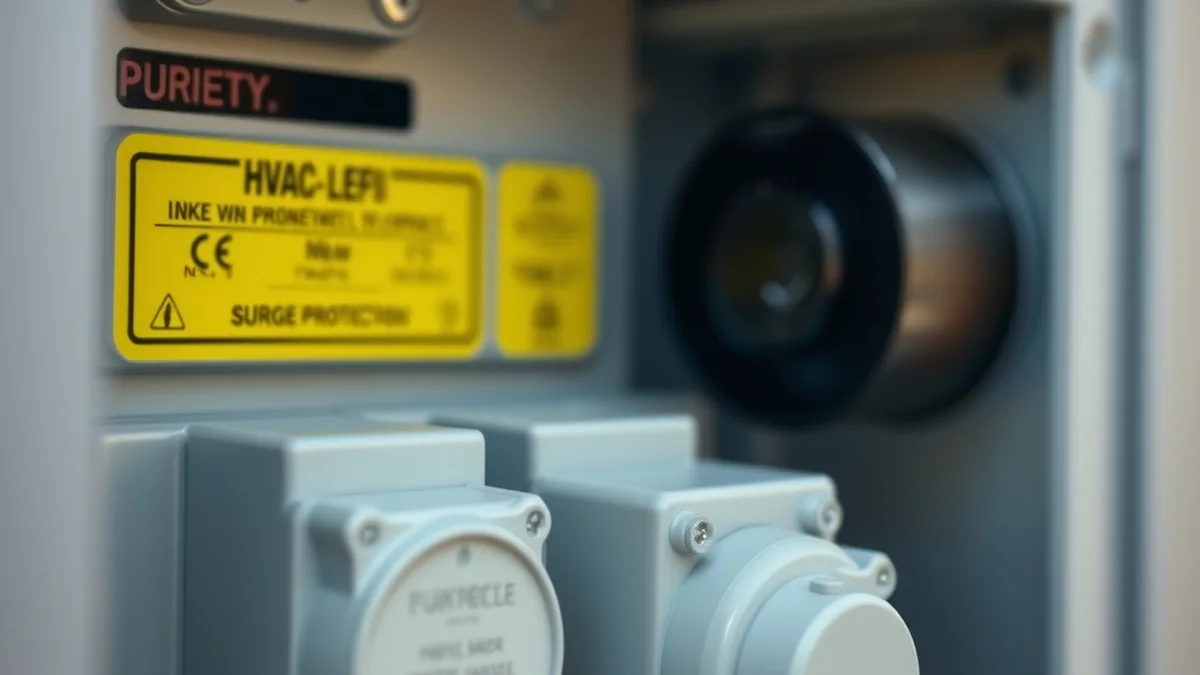
Whole-Home Surge Protection Devices: Type 1 vs Type 2 for EV & HVAC
When considering whole-home surge protection devices, Type 1 and Type 2 options each offer unique advantages for protecting EV and HVAC panels. Type 1 devices are typically installed at the service entrance, providing robust protection against external surges, while Type 2 devices are installed at the sub-panel level, offering additional localized protection. Evaluating upfront costs, lifetime payback, and potential incentives is crucial for making an informed decision.
Understanding Type 1 and Type 2 Surge Protection Devices
Type 1 surge protection devices (SPDs) are designed for installation at the main electrical service entrance of a home. They protect against external surges from lightning strikes or utility switching events. These devices are typically more robust and can handle higher surge currents, making them essential for comprehensive home protection. In contrast, Type 2 SPDs are installed downstream, typically at sub-panels, and provide localized protection for sensitive equipment like EV chargers and HVAC systems. They are often used in conjunction with Type 1 devices to create a layered defense against surges.
For homeowners, understanding the differences between these two types of devices is critical. Type 1 devices usually have a higher initial cost, ranging from $300 to $1,000, depending on the brand and features. Type 2 devices are generally less expensive, averaging between $100 and $500. However, the total cost of ownership should factor in installation expenses, which can vary based on local labor rates and the complexity of the installation. A comprehensive surge protection strategy often includes both types of devices for maximum effectiveness.
Evaluating Economic Impact and Total Cost of Ownership
When assessing the economic impact of installing surge protection devices, homeowners should consider both the upfront costs and the potential long-term savings. The initial investment in Type 1 and Type 2 devices can be offset by the protection they offer against costly repairs and replacements of sensitive electronics and appliances. For instance, a single lightning strike can cause damage exceeding $10,000 to home electronics, HVAC systems, and EV chargers, making surge protection a financially sound decision.
To better understand the total cost of ownership, consider the following factors:
- Initial Cost: Type 1 devices ($300-$1,000), Type 2 devices ($100-$500)
- Installation Costs: Typically $100-$300, depending on the complexity
- Insurance Premiums: Some insurers offer discounts for homes with surge protection
- Potential Savings: Avoiding costs associated with equipment damage and replacement
By calculating the potential savings from avoided damages, homeowners can determine a return on investment (ROI) for surge protection devices. For example, if a homeowner spends $1,500 on surge protection but avoids $10,000 in damages over the device’s lifespan, the ROI is substantial.
Climate and Grid Compatibility Considerations
The effectiveness of surge protection devices can vary based on geographic location and local electrical grid conditions. Homes in areas prone to severe weather, such as thunderstorms or hurricanes, may experience more frequent surges, making robust surge protection a necessity. In contrast, homes in regions with stable weather patterns may have a lower risk of surge events, potentially influencing the decision to invest in higher-end devices.
Moreover, the compatibility of surge protection devices with local electrical grids is crucial. Some grids may have more frequent voltage fluctuations, necessitating the use of higher-rated surge protection devices. Homeowners should consult with local electrical professionals to assess the specific needs of their homes based on regional climate and grid stability. For example, homes in the Midwest may require different surge protection strategies compared to those in coastal areas prone to hurricanes.
Incentives and Insurance Benefits for Surge Protection
Homeowners should explore available incentives for installing surge protection devices. Many local utilities offer rebates or incentives for energy-efficient upgrades, which can include surge protection systems. Additionally, some states provide tax credits for energy-efficient home improvements, which may encompass surge protection devices. Understanding these incentives can significantly reduce the upfront costs associated with installation.
Insurance companies may also provide benefits for homeowners who install surge protection devices. Some insurers offer discounts on premiums, recognizing that surge protection reduces the risk of damage to electrical systems and appliances. Homeowners should contact their insurance providers to inquire about potential discounts and ensure that their surge protection devices meet any specific requirements set forth by the insurer.
Related Sterling Lab Briefings: Explore deeper benchmarks in 5 Essential Spousal Social Security Strategies for Maximizing Benefits and Top 5 UPS Pure Sine Wave Battery Backups for Fiber ONT Routers.
Key Questions for Your Installer: Ensuring Proper Implementation
When selecting an installer for surge protection devices, it’s essential to ask the right questions to ensure proper implementation. A qualified electrician should be familiar with both Type 1 and Type 2 devices and their respective installation requirements. Here are some critical questions to consider:
- What is your experience with surge protection installations? Look for installers with a proven track record in surge protection.
- Can you provide references or case studies? References can help gauge the installer’s reliability and expertise.
- What brands do you recommend, and why? An experienced installer should have preferences based on performance and reliability.
- How will you assess my home’s specific surge protection needs? A thorough assessment is vital for effective surge protection.
- What warranties or guarantees do you offer? Understanding the warranty terms can provide peace of mind.
By asking these questions, homeowners can ensure they choose a qualified installer who will provide effective surge protection tailored to their specific needs.
Pairing lifecycle cost math with federal efficiency incentives unlocks measurable long-term household savings.