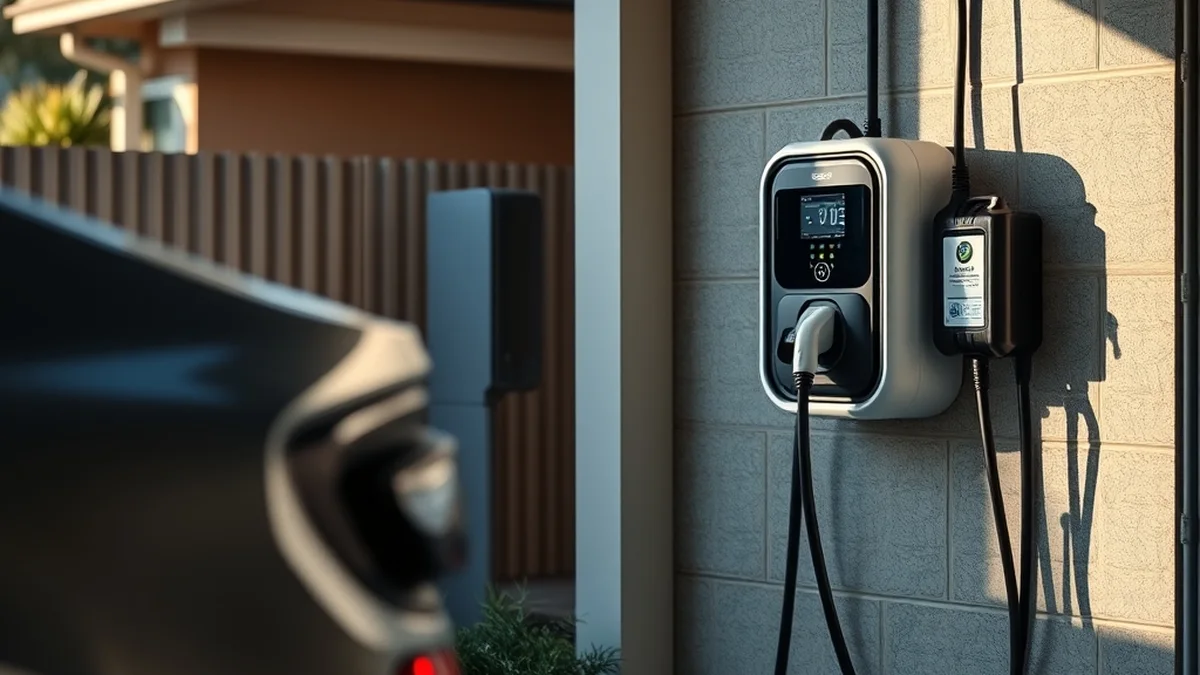
Maximize Savings with Smart 240V EV Charger Scheduling for Utility Rates
Time-of-use (TOU) utility rate arbitrage through smart 240V EV charger scheduling allows homeowners to optimize energy costs by charging electric vehicles during off-peak hours. This strategy can lead to significant savings over the lifetime of the charger, especially when combined with available incentives and rebates. Understanding the performance constraints and economic implications is crucial for maximizing your investment.
Understanding Smart 240V EV Chargers and Their Economics
Smart 240V EV chargers are designed to optimize charging schedules based on utility rates, allowing users to take advantage of lower electricity prices during off-peak hours. The initial cost of a smart charger typically ranges from $500 to $1,500, depending on the brand and features. However, the total cost of ownership (TCO) must also consider installation fees, which can add another $300 to $1,000, depending on the complexity of the installation and local labor rates.
To assess the economic viability, consider the potential savings from TOU rates. For example, if your utility charges $0.10 per kWh during off-peak hours and $0.30 during peak hours, charging your EV during off-peak times can save you $0.20 per kWh. If you charge a 60 kWh battery once a week, this translates to annual savings of approximately $624. Over five years, that’s $3,120, significantly offsetting the initial investment.
| Cost Component | Estimated Cost |
|---|---|
| Smart Charger | $500 – $1,500 |
| Installation | $300 – $1,000 |
| Annual Savings (5 years) | $3,120 |
Evaluating Climate and Grid Compatibility
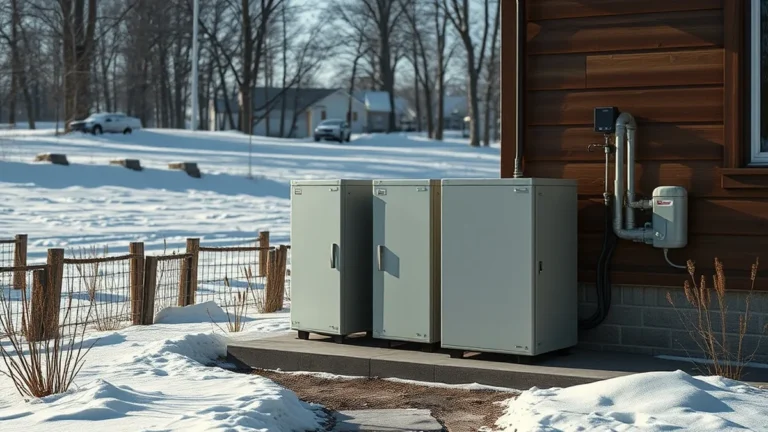
When considering a smart 240V EV charger, it’s essential to evaluate its compatibility with your local climate and power grid. For instance, some chargers are designed to function optimally in extreme temperatures, which can affect charging efficiency. If you live in a colder climate, look for chargers with built-in heating elements to prevent battery degradation during charging.
Additionally, the grid’s capacity to handle increased electric vehicle charging is a critical factor. In regions where the grid is under strain, utilities may impose additional fees or restrictions on charging during peak hours. Understanding your local utility’s policies can help you avoid unexpected costs and ensure that your smart charger operates effectively within the grid’s constraints.
- Check for temperature ratings and features that enhance performance in extreme conditions.
- Investigate local utility policies regarding EV charging and TOU rates.
- Consider the availability of renewable energy sources in your area, which can further reduce costs and carbon footprint.
Maximizing Incentives and Rebates
Federal and state incentives can significantly reduce the upfront cost of purchasing and installing a smart 240V EV charger. The federal government offers a tax credit of up to 30% for the installation of EV charging equipment, which can amount to a maximum of $1,000 for residential installations. Additionally, many states provide their own rebates and incentives, which can vary widely based on local policies.
To maximize these incentives, homeowners should research available programs in their state and consult with their installer to ensure all eligible rebates are applied. For example, California offers the California Electric Vehicle Infrastructure Project (CALeVIP), which provides substantial rebates for both residential and commercial EV charger installations. By leveraging these incentives, you can significantly reduce your initial investment and improve your overall return on investment.
- Federal tax credit: Up to 30% of installation costs.
- State-specific rebates: Varies by state; check local programs.
- Utility incentives: Some utilities offer discounts for EV charger installations.
Installer Audit: Key Questions to Ask
Choosing the right installer for your smart 240V EV charger is crucial for ensuring optimal performance and compliance with local codes. Begin by asking potential installers about their experience with EV charger installations and their familiarity with local utility regulations. A qualified installer should be able to provide references and demonstrate a track record of successful installations.
Additionally, inquire about the warranty and support services offered. A reputable installer will provide a warranty on both the charger and the installation work, ensuring that you have recourse in case of defects or performance issues. It’s also wise to ask about their process for integrating the charger with your home’s existing electrical system, particularly if you have solar panels or other energy management systems in place.
- What is your experience with EV charger installations?
- Can you provide references from previous clients?
- What warranties do you offer for the charger and installation?
- How will you integrate the charger with my existing electrical system?
Related Sterling Lab Briefings: Explore deeper benchmarks in Heavy Eccentric Resistance Training Boosts Post-Menopausal Bone Density and Blue Light Filtering vs. Melatonin Onset: A Vital Connection.
Long-Term Performance and Maintenance Considerations
Once installed, maintaining your smart 240V EV charger is essential for ensuring long-term performance and efficiency. Regular maintenance checks can help identify potential issues before they become significant problems. For example, inspecting the charging cable for wear and tear, ensuring that connections are secure, and keeping the charger clean can extend its lifespan.
Moreover, many smart chargers come with built-in diagnostics that can alert you to performance issues. Familiarizing yourself with these features can help you proactively address any concerns. Additionally, consider enrolling in a maintenance plan with your installer, which can provide peace of mind and ensure that your charger remains in optimal working condition.
- Regularly inspect charging cables and connections.
- Utilize built-in diagnostics for performance monitoring.
- Consider a maintenance plan for ongoing support and service.
Pairing lifecycle cost math with federal efficiency incentives unlocks measurable long-term household savings.