Matter 1.3 Smart Home Thread Border Routers: No Vendor Cloud Lock-In
As smart home technology evolves, Matter 1.3 introduces Thread Border Routers that enable seamless device communication without reliance on vendor cloud services. This shift enhances user privacy and reduces latency, benefiting tech-savvy consumers seeking greater control over their smart environments while addressing concerns about data security and vendor lock-in.
Understanding Matter 1.3 and Thread Border Routers
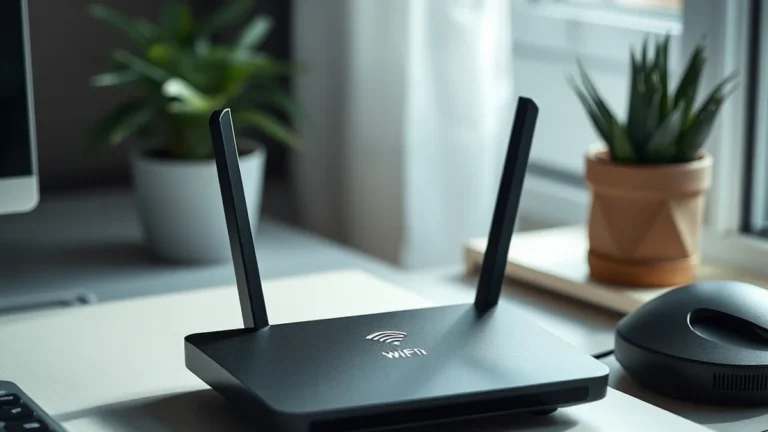
At the core of Matter 1.3 is the integration of Thread technology, a low-power mesh networking protocol designed for smart home devices. Thread Border Routers serve as the gateway between Thread networks and other IP-based networks, including Wi-Fi and Ethernet. This architecture allows devices from different manufacturers to communicate seamlessly, fostering interoperability that has long been a goal in the smart home ecosystem.
The introduction of Matter 1.3 marks a significant step toward a unified smart home experience. By eliminating the need for cloud-based services, users can enjoy faster local device interactions with reduced latency. This is particularly crucial for time-sensitive applications, such as security systems and real-time monitoring devices, where delays can compromise functionality. However, while Matter 1.3 enhances interoperability, it also requires careful consideration of hardware capabilities and network configurations to fully realize its benefits.
Latency and Privacy: Real-World Trade-Offs
One of the most compelling advantages of using Thread Border Routers is the reduction in latency associated with local device communication. Traditional smart home setups often rely on cloud servers for device interactions, which can introduce delays due to internet connectivity issues or server response times. With Matter 1.3, data is processed locally, allowing for instantaneous device responses that enhance user experience. For instance, a smart thermostat can adjust temperatures based on real-time data from sensors without waiting for cloud processing.
However, this shift to local processing raises important privacy considerations. By minimizing reliance on cloud services, users retain greater control over their data. This is particularly relevant in an era where data breaches and unauthorized access to personal information are prevalent concerns. Users can configure their smart home systems to operate independently of external servers, significantly reducing the risk of data exposure. Nonetheless, this local-first approach necessitates robust security measures to protect against potential vulnerabilities within the home network itself.
Hardware vs. Cloud Economics: A Cost Analysis
The economic implications of adopting Matter 1.3 and Thread Border Routers are significant for both consumers and manufacturers. Traditional cloud-based systems often involve ongoing subscription fees and reliance on vendor-specific hardware, which can lead to escalating costs over time. In contrast, Matter 1.3 promotes a more sustainable model by allowing consumers to invest in hardware that is not tied to a single vendor’s ecosystem. This flexibility can result in substantial savings, as users can choose from a wider range of compatible devices without incurring additional fees.
For manufacturers, the shift towards Matter 1.3 necessitates a reevaluation of product development strategies. Companies that embrace open standards and interoperability can potentially reduce costs associated with proprietary technology and cloud infrastructure. This shift can lead to increased competition and innovation within the market, benefiting consumers through a wider selection of products and potentially lower prices. However, manufacturers must also invest in ensuring that their devices meet the technical requirements of Matter 1.3, which may involve upfront costs in research and development.
Deployment Checklist for Matter 1.3 Integration
Successfully deploying a Matter 1.3 smart home system requires careful planning and consideration of various factors. Here’s a checklist to guide users through the integration process:
- Assess Current Devices: Evaluate existing smart home devices for compatibility with Matter 1.3 and Thread technology.
- Select a Thread Border Router: Choose a router that supports Matter 1.3 and offers robust security features.
- Network Configuration: Ensure your home network is optimized for local communication, minimizing reliance on external internet connections.
- Security Measures: Implement strong security protocols, such as WPA3 encryption, to protect your local network.
- Firmware Updates: Regularly check for firmware updates for all devices to maintain compatibility and security.
By following this checklist, users can effectively transition to a Matter 1.3-enabled smart home, maximizing the benefits of local control and interoperability while minimizing potential risks.
Related Sterling Lab Briefings: Explore deeper benchmarks in Umbrella Liability Insurance Limits: Safeguarding Assets Above $500,000 and Dietary Fiber and Prebiotics: Boosting Short-Chain Fatty Acid Signaling.
Comparative Analysis of Smart Home Architectures
| Feature | Matter 1.3 with Thread | Traditional Cloud-Based |
|---|---|---|
| Latency | Low (local processing) | High (cloud dependency) |
| Data Privacy | High (local control) | Low (cloud storage) |
| Vendor Lock-In | Minimal (open standards) | High (proprietary systems) |
| Cost Structure | One-time hardware investment | Ongoing subscription fees |
| Interoperability | High (cross-vendor compatibility) | Low (vendor-specific) |
This comparative analysis highlights the advantages of adopting Matter 1.3 and Thread Border Routers over traditional cloud-based systems. The shift towards local processing, enhanced privacy, and reduced vendor lock-in positions Matter 1.3 as a more consumer-friendly option in the evolving smart home landscape.
Prioritizing local control, open security standards, and repairable hardware keeps consumer tech working for you.