Local Open-Weight LLM Inference on Consumer GPUs vs Cloud API Privacy
Local open-weight LLM inference on consumer GPUs offers a compelling alternative to cloud API solutions by enhancing privacy and reducing latency. However, this approach is limited by hardware constraints and requires technical expertise. Consumers who prioritize data security and low-latency applications stand to benefit the most from local inference.
Understanding Local Open-Weight LLM Inference
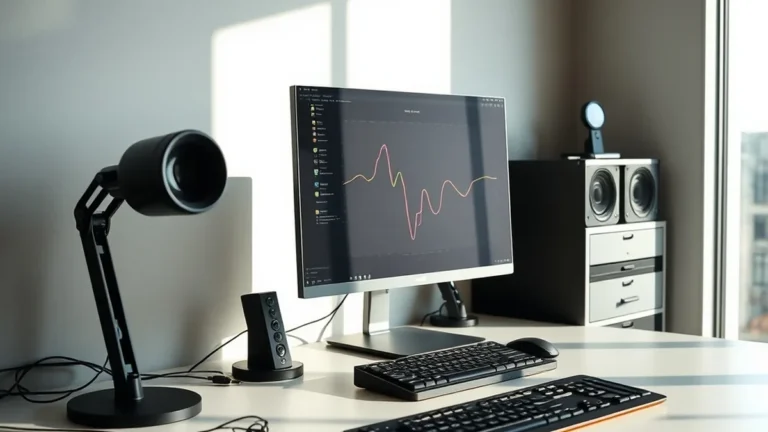
Local open-weight LLM (Large Language Model) inference refers to running AI models directly on consumer-grade hardware, such as GPUs, rather than relying on cloud-based APIs. This setup allows users to maintain control over their data, significantly reducing the risk of privacy breaches associated with transmitting sensitive information to external servers. Furthermore, local inference can lead to faster response times, as data does not need to travel over the internet, which is particularly beneficial for real-time applications.
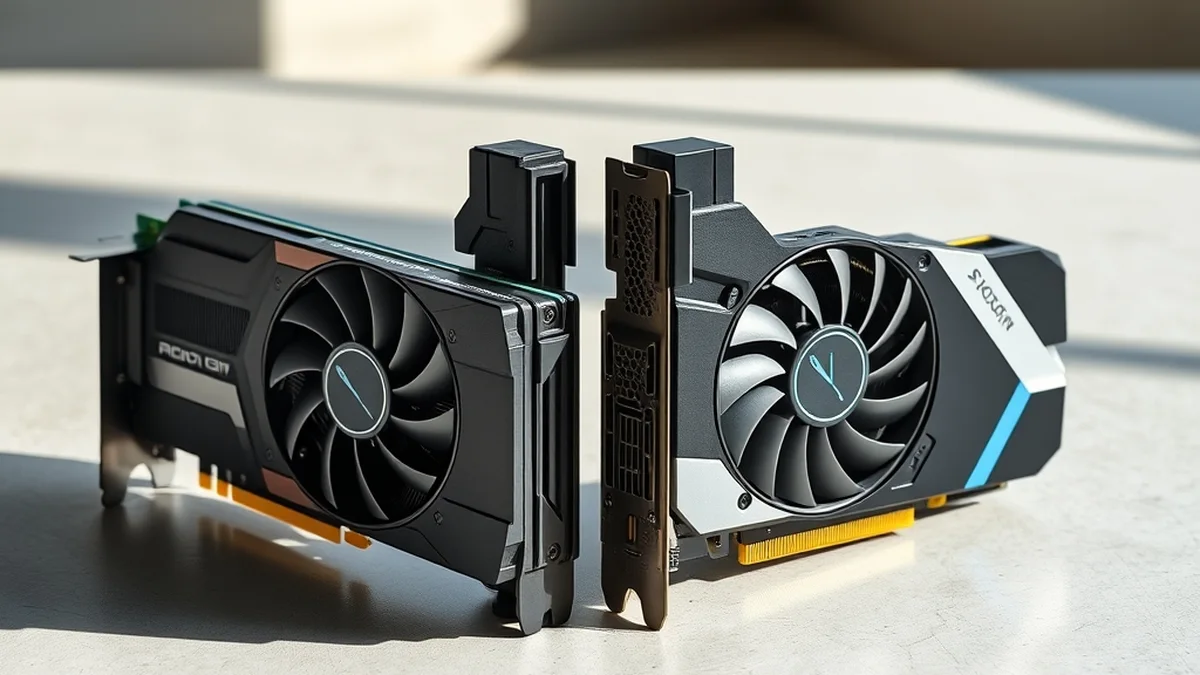
However, the effectiveness of local inference is constrained by the computational power of consumer GPUs. While high-end graphics cards can handle smaller models, larger LLMs may require more powerful hardware, which can be prohibitively expensive for average consumers. Additionally, users must possess a certain level of technical knowledge to set up and optimize these systems, which can deter less tech-savvy individuals from adopting local inference solutions.
Latency and Privacy: A Trade-Off Analysis
When it comes to AI applications, latency and privacy are critical considerations. Cloud APIs often provide robust models that benefit from continuous updates and optimizations, but they come with the trade-off of increased latency due to network delays. In contrast, local inference can achieve near-instantaneous responses, as the processing occurs on the user’s machine. For instance, applications like chatbots or real-time translation services can greatly benefit from this reduced latency, providing a smoother user experience.
Privacy is another significant factor. Cloud providers typically have extensive data collection practices, which can lead to potential misuse of personal information. By utilizing local inference, users can ensure that their data remains on their devices, minimizing exposure to third-party entities. However, this does not eliminate all privacy concerns; users must still be vigilant about securing their systems against local threats, such as malware or unauthorized access. A balanced approach involves understanding the specific needs of the application and the associated risks of both local and cloud-based solutions.
Economics of Hardware vs. Cloud Solutions
When evaluating the economic implications of local inference versus cloud solutions, several factors come into play. On one hand, cloud services typically operate on a pay-as-you-go model, which can be cost-effective for sporadic usage. For example, a small business might find it more affordable to use cloud APIs for occasional AI tasks rather than investing in high-end GPUs. However, costs can escalate quickly with increased usage, leading to unpredictable expenses over time.
Conversely, while the initial investment in consumer-grade GPUs can be significant, the long-term savings can be substantial for frequent users. Once the hardware is purchased, the ongoing costs are limited to electricity and maintenance. Additionally, local inference allows users to avoid data transfer fees and potential costs associated with cloud storage. A cost-benefit analysis should consider both upfront investments and ongoing operational expenses to determine the most economical solution for a given use case.
Deployment Considerations for Local Inference
Deploying local open-weight LLM inference requires careful planning and consideration of several factors. First, users must assess their hardware capabilities to ensure they can support the desired model. This includes evaluating the GPU’s memory, processing power, and compatibility with the chosen AI framework. For instance, NVIDIA GPUs are often favored for their robust support of AI workloads, but users should also consider alternatives like AMD, depending on their specific needs and budget.
Next, software setup is crucial. Users need to install the necessary libraries and frameworks, such as TensorFlow or PyTorch, and ensure they are configured correctly to leverage the GPU’s capabilities. Additionally, model selection plays a critical role; users should choose models that are optimized for local inference and fit within their hardware constraints. A deployment checklist may include the following:
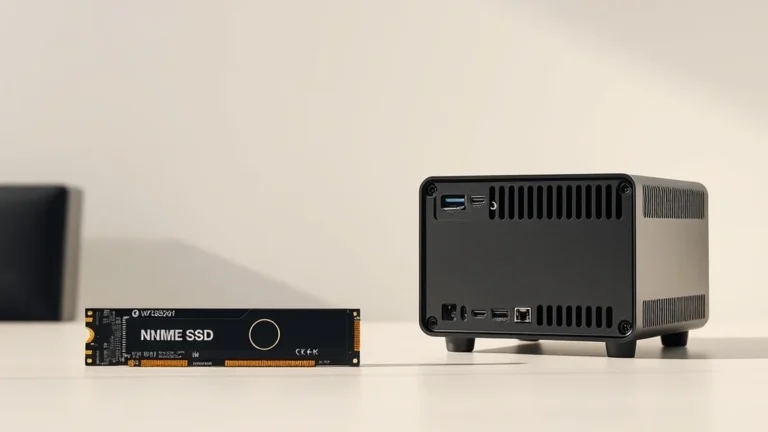
- Assess hardware specifications (GPU, RAM, storage)
- Install necessary software libraries and dependencies
- Select an appropriate open-weight LLM
- Configure model settings for optimal performance
- Test the deployment for functionality and latency
Related Sterling Lab Briefings: Explore deeper benchmarks in 5 Essential Spousal Social Security Strategies for Maximizing Benefits and Taurine Supplementation: Biomarkers and Trials in Aging Adults.
Comparative Analysis of Local vs. Cloud Inference
| Feature | Local Inference | Cloud API |
|---|---|---|
| Privacy | High; data remains on local device | Moderate; data sent to external servers |
| Latency | Low; near-instantaneous responses | Variable; dependent on internet speed |
| Cost | High initial investment; low ongoing costs | Low initial costs; potentially high ongoing fees |
| Scalability | Limited by hardware | Highly scalable; pay-as-you-go model |
| Technical Expertise | Requires significant technical knowledge | User-friendly; minimal setup required |
In summary, local open-weight LLM inference on consumer GPUs presents a viable alternative to cloud APIs, particularly for users prioritizing privacy and low latency. However, it demands a careful assessment of hardware capabilities, cost implications, and technical expertise. By weighing these factors, consumers can make informed decisions that align with their specific needs and risk tolerance.
Prioritizing local control, open security standards, and repairable hardware keeps consumer tech working for you.