
Dietary Fiber and Prebiotics: Boosting Short-Chain Fatty Acid Signaling
Dietary fiber fermentable prebiotics play a crucial role in gut health by influencing the production of short-chain fatty acids (SCFAs), which are vital for metabolic signaling and cellular longevity. These SCFAs, such as acetate, propionate, and butyrate, modulate inflammation, improve insulin sensitivity, and enhance gut barrier function, ultimately promoting longevity and reducing age-related diseases.
The Mechanisms of SCFA Production and Gut Signaling
Fermentable prebiotics, primarily soluble fibers like inulin and fructooligosaccharides, serve as substrates for beneficial gut microbiota. Upon fermentation, these fibers are converted into SCFAs, which are absorbed by colonocytes and enter systemic circulation. SCFAs exert their effects through various mechanisms, including the activation of G-protein coupled receptors (GPCRs) such as FFAR2 and FFAR3. This activation triggers signaling pathways that promote anti-inflammatory responses and enhance energy metabolism.
Research indicates that SCFAs can influence gene expression by acting on histone deacetylases (HDACs), leading to changes in the transcription of genes associated with inflammation and cellular repair. For instance, butyrate has been shown to promote the expression of genes involved in maintaining the integrity of the gut barrier, thereby reducing the risk of systemic inflammation and metabolic disorders. Furthermore, SCFAs can stimulate the secretion of hormones like GLP-1, which plays a role in appetite regulation and insulin sensitivity.
Clinical Evidence Linking Prebiotics and Longevity
Several clinical trials have investigated the impact of dietary fiber and prebiotics on health outcomes related to aging. A notable study published in the journal *Nature* found that participants who increased their intake of fermentable fibers exhibited significant increases in SCFA levels, alongside improvements in metabolic markers such as insulin sensitivity and lipid profiles. In this trial, participants consuming a diet rich in prebiotics showed a 30% reduction in markers of systemic inflammation compared to those on a standard diet.
Another randomized controlled trial demonstrated that supplementation with inulin-type fructans led to enhanced gut microbiota diversity and increased SCFA production. Participants reported improved digestive health and reduced symptoms of metabolic syndrome, highlighting the potential of prebiotics to mitigate age-related declines in metabolic function. These findings underscore the importance of dietary interventions in promoting longevity through gut health.
Bioavailability and Dosing Considerations
The bioavailability of SCFAs is influenced by factors such as the type of dietary fiber consumed, individual gut microbiota composition, and overall diet. For optimal SCFA production, a diverse intake of fermentable fibers is recommended, including sources like legumes, whole grains, fruits, and vegetables. Aiming for a daily intake of 25-38 grams of fiber, as suggested by dietary guidelines, can enhance gut fermentation and SCFA synthesis.
However, individual responses to fiber intake can vary significantly. Some individuals may experience gastrointestinal discomfort when consuming high amounts of fermentable fibers, particularly if their gut microbiota is not accustomed to such changes. Gradually increasing fiber intake and incorporating a variety of sources can help mitigate these effects. Additionally, prebiotic supplements may provide a concentrated source of fermentable fibers, but their efficacy can depend on the specific formulation and dosage.
Integrating Prebiotics into Daily Life for Longevity
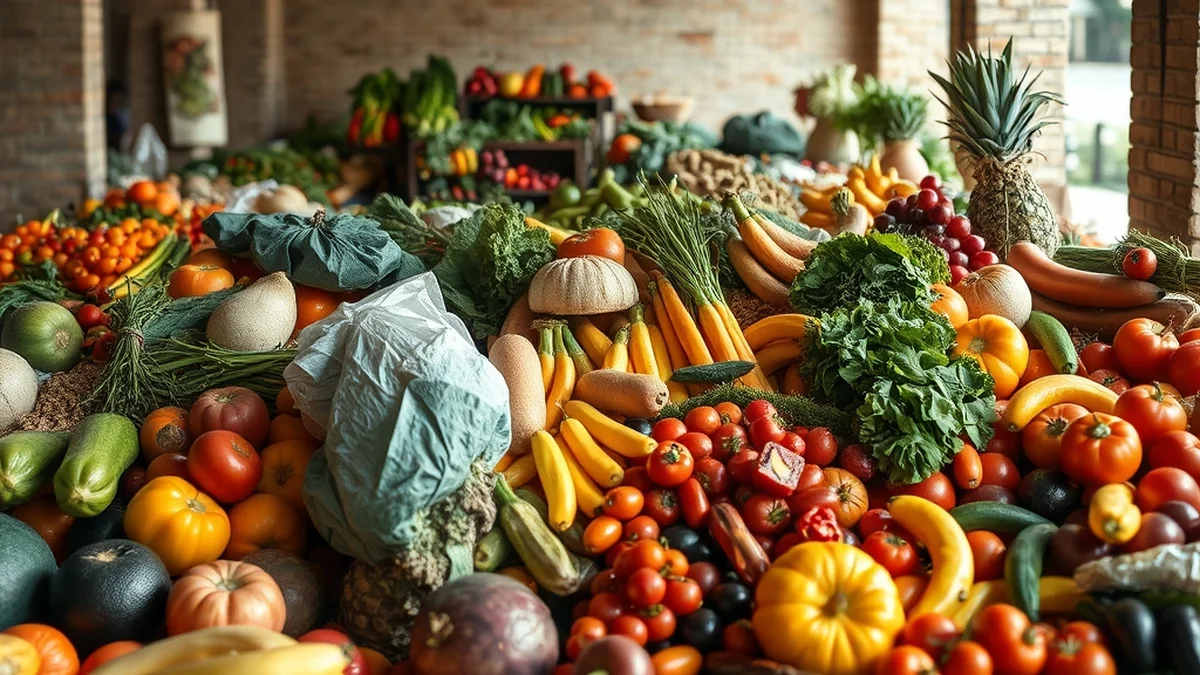
Incorporating fermentable prebiotics into one’s diet can be a straightforward yet effective strategy for enhancing gut health and promoting longevity. Foods rich in prebiotics include garlic, onions, asparagus, bananas, and oats. A practical approach is to include a serving of these foods in each meal, thereby ensuring a consistent intake of fermentable fibers throughout the day.
Meal planning can facilitate the integration of prebiotics into daily routines. For example, starting the day with a breakfast of oatmeal topped with bananas and a sprinkle of flaxseeds can provide a solid foundation of soluble fiber. Lunch could feature a salad with chickpeas and a variety of colorful vegetables, while dinner might include a stir-fry with garlic and onions. Additionally, fermented foods like yogurt and kefir can complement prebiotic intake by providing beneficial probiotics that work synergistically with SCFAs.
Related Sterling Lab Briefings: Explore deeper benchmarks in Grip Strength Asymmetry: Key Thresholds for Sarcopenia Mortality Risk and Creatine Monohydrate Dosing: Boost Brain Energy & Preserve Muscle.
Potential Risks and Considerations in Prebiotic Consumption
While the benefits of fermentable prebiotics and SCFAs are well-documented, it is essential to consider potential risks associated with excessive consumption. High fiber intake can lead to gastrointestinal issues such as bloating, gas, and diarrhea, particularly in individuals with pre-existing digestive disorders or those unaccustomed to high-fiber diets. It is advisable for individuals to monitor their body’s response and adjust their fiber intake accordingly.
Moreover, the interaction between dietary fibers and medications should not be overlooked. Certain medications, particularly those affecting gut motility or absorption, may have altered efficacy when taken alongside high-fiber foods. Consulting with healthcare professionals before making significant dietary changes is prudent, especially for individuals with chronic health conditions or those taking multiple medications.
Measuring metabolic and cellular biomarkers over time turns preventive wellness into durable healthspan.