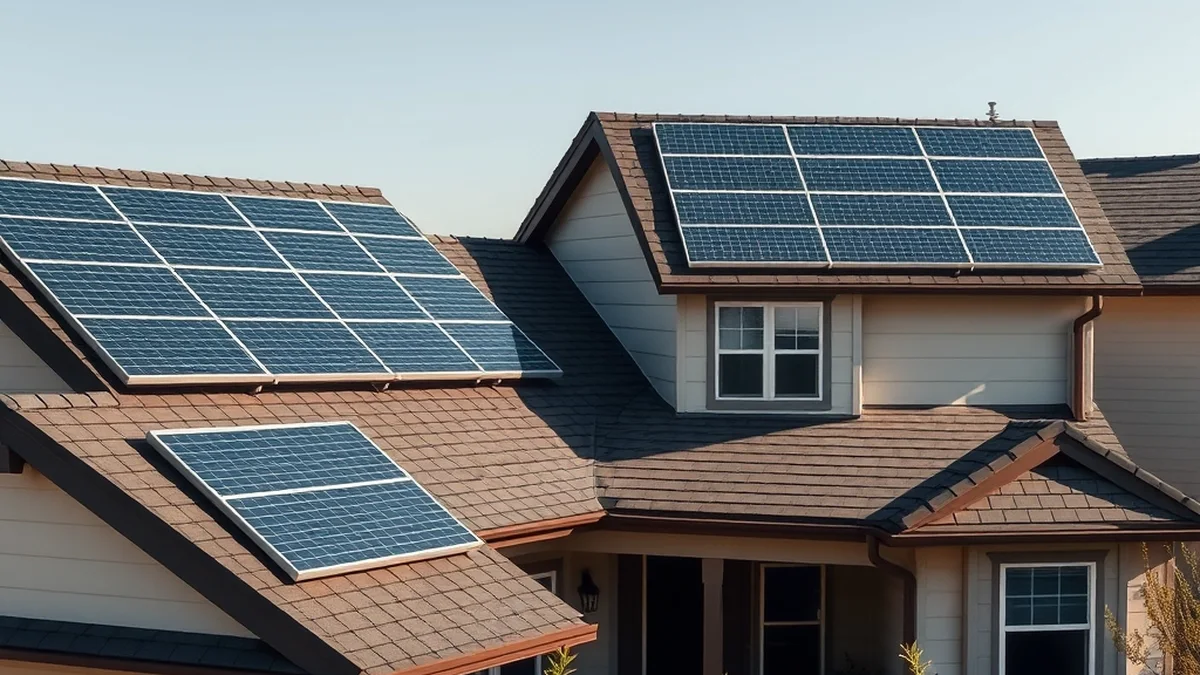
Residential Metal Standing-Seam Roofs vs Asphalt Shingles for Solar Clamp
When considering solar clamp mounting options, residential metal standing-seam roofs outperform asphalt shingles in terms of upfront costs, longevity, and overall lifetime payback. While asphalt shingles are cheaper initially, metal roofs offer superior durability, energy efficiency, and compatibility with solar installations, making them a more prudent investment for homeowners focused on long-term savings and sustainability.
Cost Analysis: Upfront vs. Lifetime Payback
When evaluating the financial implications of metal standing-seam roofs versus asphalt shingles, it is essential to consider both upfront costs and lifetime payback. Metal roofs typically range from $7 to $12 per square foot installed, while asphalt shingles can cost between $3 to $5 per square foot. Although the initial investment for metal roofs is higher, their lifespan can exceed 50 years compared to 15 to 30 years for asphalt shingles. This longevity translates into lower replacement costs over time, making metal roofs a more economical choice in the long run.
Furthermore, the total cost of ownership must include maintenance and repair expenses. Metal roofs require minimal maintenance and are resistant to common issues like rot and mold, which can plague asphalt shingles. Homeowners can expect to spend approximately $0.50 to $1.00 per square foot annually on maintenance for metal roofs, while asphalt shingles may incur costs of $1.50 to $3.00 per square foot due to potential repairs and replacements. This disparity significantly impacts the overall cost-effectiveness of each roofing type.
| Roof Type | Upfront Cost ($/sq ft) | Lifespan (years) | Annual Maintenance Cost ($/sq ft) |
|---|---|---|---|
| Metal Standing-Seam | $7 – $12 | 50+ | $0.50 – $1.00 |
| Asphalt Shingles | $3 – $5 | 15 – 30 | $1.50 – $3.00 |
Climate Compatibility and Energy Efficiency
The choice between metal standing-seam roofs and asphalt shingles also hinges on climate compatibility and energy efficiency. Metal roofs reflect solar heat, which can significantly reduce cooling costs in warmer climates. Studies indicate that homes with metal roofs can save up to 20% on energy bills compared to those with asphalt shingles. This efficiency is particularly beneficial in regions with high temperatures, where air conditioning costs can escalate.
Conversely, asphalt shingles absorb heat, which can lead to increased energy consumption during hot months. In colder climates, metal roofs can provide better insulation when paired with appropriate underlayment, helping to retain heat during winter. Homeowners in regions prone to extreme weather conditions should consider the durability of metal roofs, which are less likely to sustain damage from hail, snow, or high winds compared to asphalt shingles.
Insurance Benefits and Tax Incentives
Homeowners should also consider the insurance implications of their roofing choice. Many insurance companies offer discounts for homes with metal roofs due to their durability and resistance to damage. This can lead to significant savings on annual premiums, further enhancing the financial attractiveness of metal roofs. In contrast, asphalt shingles may not qualify for such discounts, as they are more susceptible to weather-related damage.
Additionally, federal and state tax incentives for solar installations can impact the overall cost-effectiveness of roofing choices. Metal roofs are often eligible for these incentives when combined with solar panel installations, as they provide a more secure and long-lasting mounting surface. Homeowners can benefit from the federal solar tax credit, which allows for a deduction of 26% of the installation costs from federal taxes. This incentive can significantly offset the initial investment in a metal roof and solar system, making it a compelling choice for energy-conscious homeowners.
Installer Selection: Key Questions to Ask
Choosing the right roofing installer is crucial for maximizing the benefits of either roofing type. Homeowners should ask potential installers specific questions to ensure quality workmanship and compatibility with solar installations. Key questions include:
- What is your experience with solar clamp mounting on metal roofs versus asphalt shingles?
- Can you provide references from previous solar installations on both roofing types?
- What warranties do you offer on both the roofing and solar installation?
- How do you ensure proper ventilation and insulation when installing solar panels?
- What is your process for assessing roof integrity before installation?
By asking these questions, homeowners can gauge the installer’s expertise and ensure that their roofing choice will support a successful solar installation. Proper installation is critical, as improper mounting can lead to leaks and reduced solar efficiency, negating any potential savings.
Related Sterling Lab Briefings: Explore deeper benchmarks in Solid-State Sodium-Ion Batteries vs Lithium LFP Packs in Freezing Climates and Air-Source Radiant Hydronic Flooring Retrofits: Cold-Climate Efficiency.
Long-Term Value: Considering Resale and Market Trends
When evaluating the long-term value of metal standing-seam roofs versus asphalt shingles, homeowners should consider the impact on property resale value. Homes equipped with metal roofs often have higher resale values due to their durability, energy efficiency, and modern aesthetic appeal. Real estate studies show that homes with metal roofs can sell for 1% to 6% more than comparable homes with asphalt shingles.
Market trends also indicate a growing preference for sustainable and energy-efficient homes. As more buyers prioritize eco-friendly features, properties with metal roofs and solar installations are likely to attract more interest. This trend is particularly relevant in urban areas, where energy efficiency and sustainability are increasingly valued. Homeowners investing in metal roofs and solar systems can expect not only lower energy bills but also a stronger market position when selling their home.
Pairing lifecycle cost math with federal efficiency incentives unlocks measurable long-term household savings.