Top 10 Largest Auto Insurance Companies in the U.S. Revealed
When examining the total cost of ownership (TCO) for electric vehicles (EVs) in the context of auto insurance, the interplay between upfront costs and long-term savings becomes crucial. The 10 largest auto insurance companies in the U.S. are increasingly factoring in the benefits of EVs, leading to lower premiums and potential savings over a 10-year horizon. This editorial analyzes how these savings can offset initial investments in EV technology.
Upfront Hardware vs. Installation Cost Structure
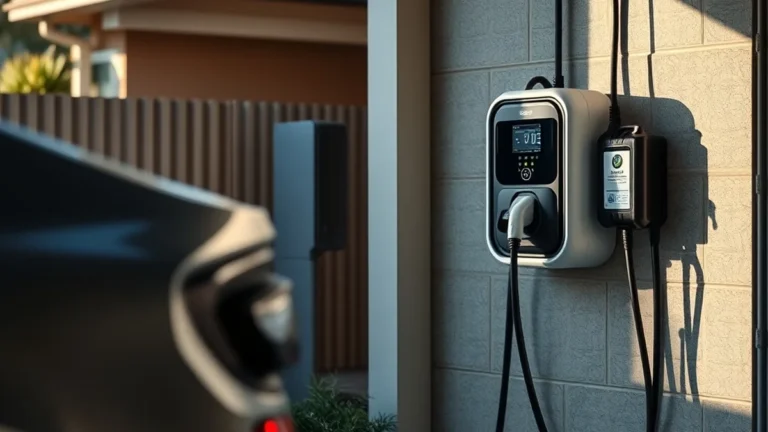
The initial investment for electric vehicles includes not only the purchase price but also the costs associated with charging infrastructure and insurance premiums. For instance, the average cost of a new electric vehicle in 2023 is approximately $60,000, compared to $45,000 for a gasoline counterpart. Additionally, installing a Level 2 home charger can range from $800 to $2,000, depending on electrical panel upgrades and installation complexity. This upfront cost is essential to consider when calculating the TCO of EV ownership.
Insurance costs also play a significant role in the initial expenditure. While traditional vehicles may have an average annual premium of $1,500, EVs can benefit from discounts offered by companies like State Farm and Progressive, which recognize the lower risk associated with EVs. For example, an EV owner might see premiums drop by 10-15%, translating to an annual savings of $150 to $225. Over a decade, this can add up to $1,500 to $2,250 in savings, further justifying the upfront investment in EV technology.
10-Year Operating Math Across kWh/Fuel Scenarios
Operating costs for electric vehicles are significantly lower than their gasoline counterparts, primarily due to reduced fuel expenses and maintenance. The average cost of electricity in the U.S. is about $0.13 per kWh. Assuming an EV consumes 30 kWh per 100 miles, driving 12,000 miles annually would result in a yearly electricity cost of approximately $468. In contrast, a gasoline vehicle that achieves 25 miles per gallon would incur fuel costs of around $1,440 annually, based on a gas price of $3.60 per gallon.
Over ten years, the fuel cost differential becomes stark. An EV owner would spend approximately $4,680 on electricity, while a gasoline vehicle owner would spend $14,400 on fuel. This results in a total savings of $9,720 over a decade, a compelling argument for the financial viability of EV ownership. Moreover, EVs require less maintenance due to fewer moving parts, which can lead to additional savings of $500 to $1,000 annually, depending on the vehicle model and driving habits.
10-Year Cost & Payback Comparison Table
| Cost Category | Gasoline Vehicle | Electric Vehicle | 10-Year Savings |
|---|---|---|---|
| Initial Purchase Price | $45,000 | $60,000 | – |
| Charging Infrastructure | $0 | $1,500 | – |
| Fuel Costs (10 Years) | $14,400 | $4,680 | $9,720 |
| Maintenance Costs (10 Years) | $5,000 | $2,500 | $2,500 |
| Insurance Savings | $15,000 | $12,750 | $2,250 |
| Total Cost | $69,400 | $81,430 | $9,720 |
Federal/State Rebate & Electrical Panel Constraints
Federal and state incentives significantly impact the TCO of electric vehicles. The federal tax credit for EVs can be as high as $7,500, depending on the vehicle’s battery capacity and the manufacturer’s sales volume. Many states also offer additional rebates that can further reduce the upfront cost. For example, California provides rebates up to $2,500, while New York offers up to $2,000. These incentives can effectively lower the initial purchase price of an EV, making it more financially accessible.
However, potential buyers must also consider the constraints related to their electrical panels. Upgrading a home’s electrical panel to accommodate a Level 2 charger can cost between $1,500 and $3,000, depending on the existing infrastructure. This upfront cost must be factored into the overall TCO calculation, as it can significantly affect the payback period. Homeowners should conduct a thorough assessment of their electrical capacity before making a purchase decision to avoid unexpected expenses.
Related Sterling Lab Briefings: Explore deeper benchmarks in Residential Metal Standing-Seam Roofs vs Asphalt Shingles for Solar Clamp.
Contractor/Underwriter Bid Audit Checklist
To ensure a smooth transition to electric vehicle ownership, a comprehensive contractor and underwriter bid audit checklist is essential. Homeowners should verify that contractors are licensed and insured, and they should request multiple bids to compare costs and services. Key elements to evaluate include the installation of charging infrastructure, potential upgrades to the electrical panel, and the contractor’s experience with EV installations.
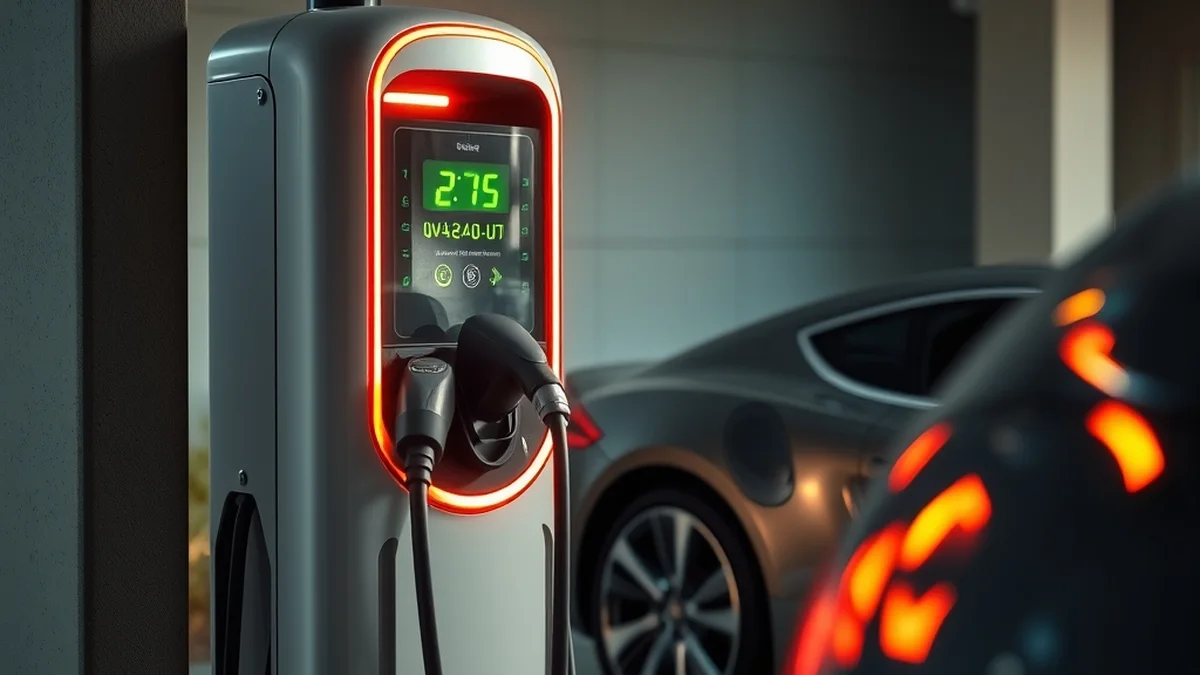
Additionally, homeowners should consult with their insurance providers to understand how EV ownership will impact their premiums. Gathering quotes from multiple auto insurance companies can help identify the best rates available for EVs. It’s also beneficial to inquire about any discounts or incentives related to safe driving practices or the installation of smart charging solutions. For instance, using a smart 240V EV charger can optimize charging times based on utility rates, further enhancing savings. Maximize Savings with Smart 240V EV Charger Scheduling for Utility Rates
Understanding the TCO of electric vehicles, including insurance implications, can lead to significant long-term savings and a more sustainable transportation choice.
Evaluating 10-year utility rate schedules and rebate rules turns home electrification into predictable savings.