
Creatine Monohydrate Dosing: Boost Brain Energy & Preserve Muscle
Creatine monohydrate, a well-known supplement in athletic circles, has emerged as a promising agent for enhancing brain bioenergetics and preserving muscle mass during aging. By increasing adenosine triphosphate (ATP) availability, creatine supports cognitive function and muscle health, making it a compelling choice for those focused on longevity and metabolic optimization.
Mechanisms of Action: ATP Production and Neuroprotection
Creatine plays a pivotal role in cellular energy metabolism, primarily by facilitating the rapid regeneration of ATP, the energy currency of cells. In the brain, creatine supplementation can enhance energy availability, which is crucial for maintaining cognitive functions such as memory, attention, and processing speed. Studies indicate that creatine can improve mitochondrial function, thereby supporting neuronal health and potentially reducing the risk of neurodegenerative diseases.
Moreover, creatine’s neuroprotective properties may stem from its ability to buffer cellular energy levels during metabolic stress. For instance, in a study involving older adults, creatine supplementation was associated with improved cognitive performance and reduced mental fatigue, suggesting that it may help mitigate age-related cognitive decline. This is particularly relevant as the brain’s energy demands increase with age, making efficient ATP production essential for maintaining cognitive integrity.
Clinical Evidence: Human Trials and Cognitive Benefits
Numerous clinical trials have investigated the effects of creatine on cognitive performance and muscle preservation. A meta-analysis of randomized controlled trials found that creatine supplementation significantly improved cognitive performance, particularly in tasks requiring short-term memory and quick decision-making. For example, a study published in the journal *Neuropsychology* demonstrated that participants who supplemented with creatine showed a 20% improvement in working memory tasks compared to a placebo group.
In terms of muscle preservation, research has shown that creatine can counteract age-related muscle loss, known as sarcopenia. A clinical trial involving older adults found that those who supplemented with creatine, combined with resistance training, experienced a 15% increase in muscle mass and strength compared to those who did not supplement. This underscores the potential of creatine not only for enhancing athletic performance but also for promoting healthy aging and functional independence.
Dosing Considerations: Optimal Strategies for Efficacy
Determining the optimal dosing strategy for creatine supplementation is crucial for maximizing its benefits. The most common approach involves a loading phase of 20 grams per day for 5-7 days, followed by a maintenance dose of 3-5 grams per day. However, recent studies suggest that a lower daily dose of 3 grams may also be effective for cognitive benefits without the need for a loading phase, making it a more accessible option for older adults.
Additionally, timing and form of creatine can influence its efficacy. Creatine monohydrate is the most researched and cost-effective form, but newer formulations like creatine hydrochloride may offer improved solubility and absorption. For those concerned about gastrointestinal discomfort, splitting the daily dose into smaller servings throughout the day can enhance tolerance and bioavailability.
Integrating Creatine into Lifestyle: Practical Applications
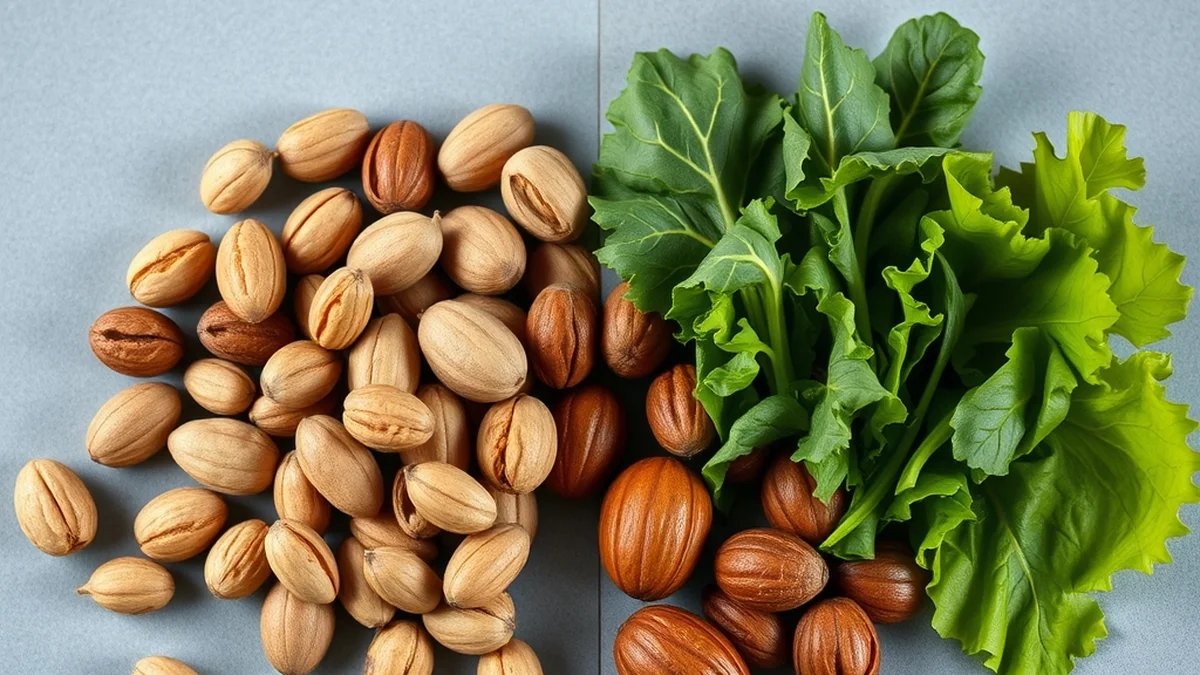
Incorporating creatine into a daily routine can be straightforward and beneficial for both cognitive and physical health. For individuals focused on longevity, combining creatine supplementation with a balanced diet rich in antioxidants and omega-3 fatty acids can further enhance its effects. Foods such as fatty fish, nuts, and leafy greens provide complementary nutrients that support brain health and muscle function.
Moreover, integrating creatine with regular physical activity, particularly resistance training, can amplify its muscle-preserving effects. A practical approach could involve scheduling creatine intake around workout sessions to optimize muscle recovery and growth. For cognitive enhancement, taking creatine in the morning or before mentally demanding tasks may provide immediate benefits, as it supports energy availability during critical periods of cognitive load.
Related Sterling Lab Briefings: Explore deeper benchmarks in Solo 401(k) vs SEP IRA: Contribution Limits for Self-Employed Consultants and Backdoor Roth IRA: Pro-Rata Rule Calculations Simplified for 2023.
Potential Risks and Considerations: Understanding the Caveats
While creatine is generally considered safe for most individuals, it is essential to be aware of potential side effects and contraindications. Some users may experience gastrointestinal discomfort, cramping, or dehydration, particularly during the loading phase. It is advisable to stay well-hydrated and consult with a healthcare provider before beginning supplementation, especially for individuals with pre-existing kidney conditions.
Clinical guidelines suggest monitoring renal function in individuals taking creatine, particularly those with a history of kidney disease. Regular assessments of biomarkers such as serum creatinine can help ensure safety.
Furthermore, the long-term effects of creatine supplementation in older adults require further investigation. While current evidence supports its safety and efficacy, ongoing research will help clarify optimal dosing strategies and identify any potential interactions with medications or other supplements. As with any supplement, individual responses can vary, making personalized approaches essential for maximizing benefits.
Measuring metabolic and cellular biomarkers over time turns preventive wellness into durable healthspan.